Key takeaways
- Red light therapy (RLT) is a treatment that uses low levels of red light to improve the skin's appearance and is promoted for other conditions too.
- Cleveland Clinic says it shows promise for wrinkles, redness, acne and scars, but more clinical trials are needed to confirm it works.
- There's no scientific evidence for red light therapy in weight loss, cancer, cellulite removal or mental health conditions such as depression and SAD.
- Most skin conditions need treatment 1 to 3 times a week for weeks or months, and you should protect your eyes.
Red light therapy (RLT) is a treatment that uses low levels of red light to improve the skin's appearance, such as wrinkles, scars, redness and acne, and it is also promoted for many other conditions. Whether it works depends on what you use it for. This guide explains how red light therapy works, where the research shows promise, which claims have no evidence, and what treatment involves.
Does red light therapy work?
Red light therapy shows promise for some skin conditions, but its full effectiveness hasn't been established. Cleveland Clinic says results of some studies show promise, and many researchers say more clinical trials are needed to confirm it works.
Red light therapy goes by several other names: low-level laser light therapy, low-power laser therapy, soft laser therapy, cold laser therapy and photobiomodulation.
How does red light therapy work?
Red light therapy may work on the skin in 4 ways, according to Cleveland Clinic:
- Collagen. It may stimulate collagen, the protein that gives skin its structure, strength and elasticity.
- Fibroblasts. It may increase fibroblasts, the cells that make collagen.
- Circulation. It may increase blood flow to the tissue.
- Inflammation. It may reduce inflammation in cells.
The wavelength of the light affects how deeply it reaches into the skin, so an at-home device and a device in a doctor's office may give different results.
What does research say red light therapy can help?
The evidence falls into 3 levels: promising for some skin conditions, under investigation for some medical uses, and unsupported for several popular claims.
| Level | Uses |
|---|---|
| Showing some promise | Wrinkles, fine lines, redness, acne, scars, sun-damaged skin, facial texture, hair growth in androgenic alopecia, wound healing, stretch marks |
| Being investigated | Chemotherapy side effects such as oral mucositis; pain and inflammation from tendonitis, rheumatoid arthritis, carpal tunnel and knee osteoarthritis; preventing cold sores |
| No scientific evidence | Weight loss, cancer, cellulite removal, depression and seasonal affective disorder (SAD) |
What does red light therapy treatment involve?
Most skin conditions need ongoing treatment 1 to 3 times a week for weeks or even months, according to Cleveland Clinic. It is usually not a one-time treatment, and health insurance typically doesn't cover it.
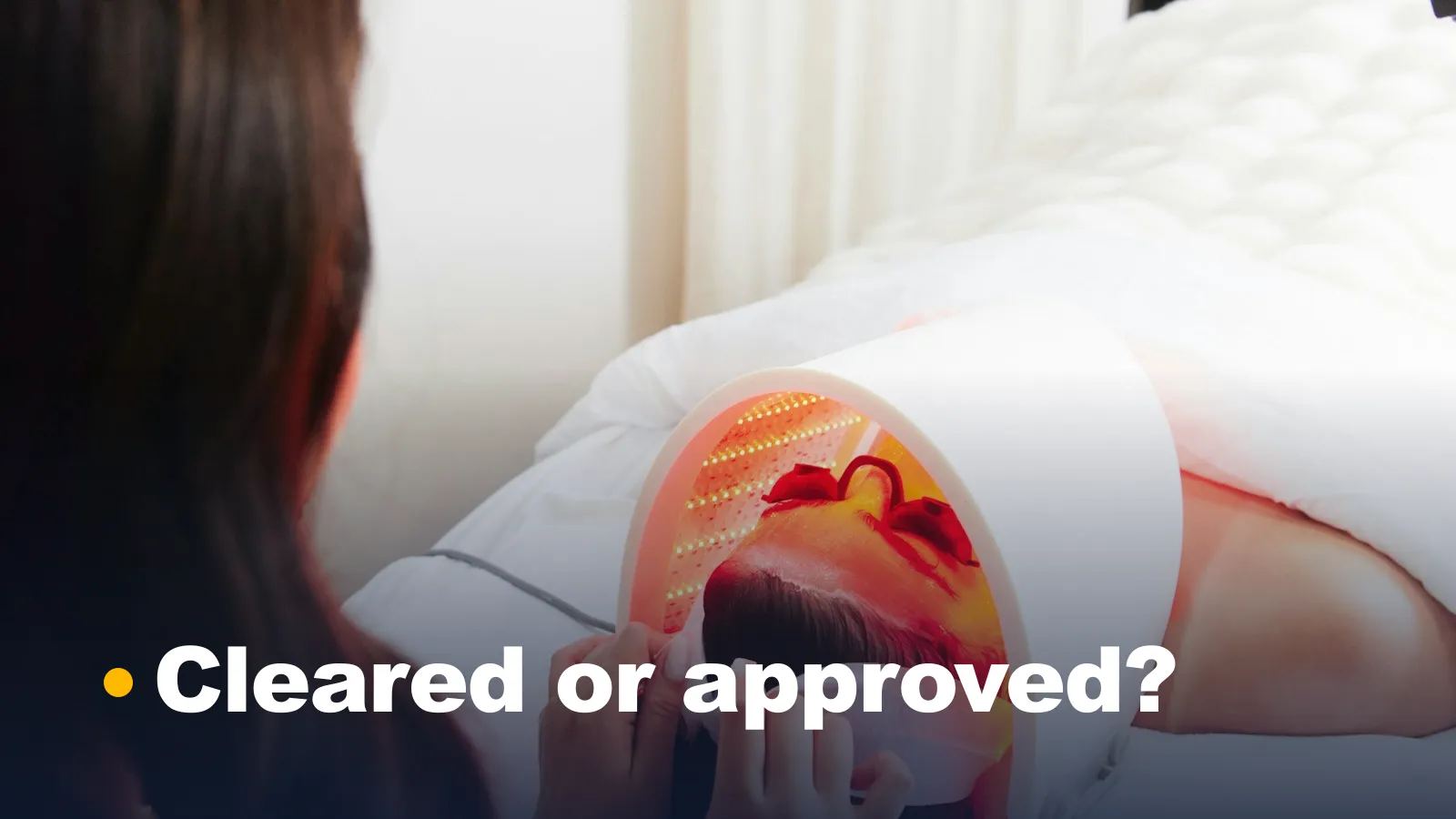
You can get red light therapy in a doctor's office, at home with your own device, or at spas, gyms and wellness centres. Cleveland Clinic advises checking with a healthcare provider or dermatologist first.
Is red light therapy safe?
Red light therapy appears to have no side effects when used short-term and as directed, according to Cleveland Clinic. Unlike tanning beds, it doesn't use cancer-causing ultraviolet (UV) light.
Misuse, such as using a device too often or against its directions, can damage the skin or unprotected eyes, and long-term safety isn't yet known. Our guide to FDA-cleared red light therapy devices explains what clearance means, and our Omnilux LED review and Infraredi Pro Max review cover 2 home devices.
Common questions
What is the downside of red light therapy?
Results are uncertain, it usually takes 1 to 3 sessions a week for weeks or months, and insurance rarely covers it. Misuse, such as using a device too often or without eye protection, can damage the skin or eyes.
Does red light tighten saggy skin?
It's promoted for wrinkles, fine lines and facial texture, and may stimulate collagen, the protein that gives skin its structure and elasticity. Cleveland Clinic says most experts don't yet know if it works for all its claimed uses.
Is 10 minutes of red light therapy enough?
There's no single proven session length. Follow your device's directions, because session times differ between devices, and Cleveland Clinic warns that using a device too often can damage the skin or eyes.
Is red light therapy safe?
Cleveland Clinic says it appears to have no side effects when used short-term and as directed, and unlike tanning beds it doesn't use UV light. Long-term safety isn't yet known.
Writes guides and reviews for ProductHunter.